Featured
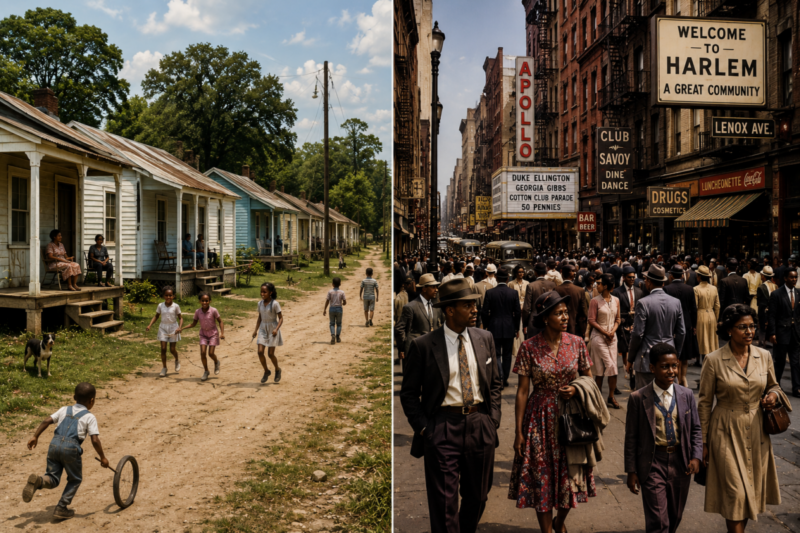 The Pernicious Effects of Residential Segregation: A Legacy That Endures. By Ronald J. Sheehy, Editor / On Race In America
“Residential segregation shaped Black life in both rural and urban America. Though separated by geography, these communities shared a common experience: opportunities constrained by where they were allowed to live.”
Few public policies have had a more lasting impact on American life than residential segregation. Often treated as a relic of the past, segregation continues to shape where children attend school, how families build wealth, and whose voices are heard in the political process. The effects are neither accidental nor isolated. They are the enduring consequences of decisions made by governments, banks, and housing authorities over generations. To understand many of today’s inequalities, one must first understand where people were allowed—and not allowed—to live.
Read complete essay. The Pernicious Effects of Residential Segregation: A Legacy That Endures
The Week’s Top Stories
Political / Social
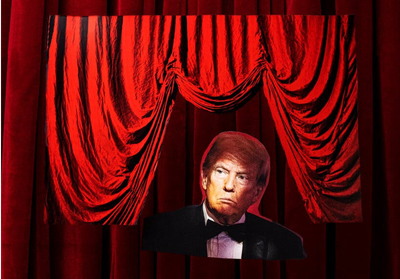 Trump Has Failed as Commander in Chief. By Thomas L. Friedman / NYT
With each passing month of his presidency, Donald Trump behaves more like America’s commander in thief than its commander in chief.
How so? Let me count the ways. We are a nation at war today, with tens of thousands of troops deployed near Iran. Generally, when our nation has been at war, the commander in chief’s top domestic priority is to keep the country united. Because there is nothing more demoralizing for U.S. troops fighting abroad than to look back and see our country ripping itself apart at home. And there is nothing that encourages an enemy to hold out for better terms for ending a war with America than seeing America at war with itself. Read more
Related: Trump’s vulgarity is poisoning public life. By Chauncey Devega / Salon
 They’re Dismantling Democracy. We Don’t Have Time to Be Weary. By Anthony Robinson / The Root
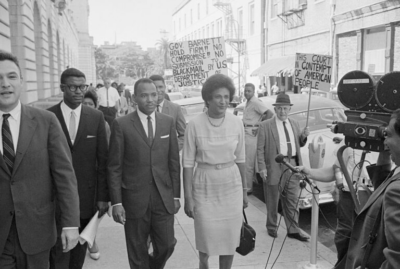
James Meredith, (L) and his attorney Constance Motley, (R) were followed by pickets when they left the Federal Courts Building September 28th during the noon recess of the U.S. Fifth Circuit Appeals Court in New Orleans. Photo also shows Medgar Evers, half-obscured behind James Meredith
As a Marine Corps veteran and educator, I have long believed that public service is a calling. Today, that calling feels especially urgent. In 1852, Frederick Douglass stood before a crowd and asked a question that still echoes through our country’s history: “What, to the American slave, is your Fourth of July?” Douglass was challenging America to live up to its ideals. Today, as the United States approaches its 250th anniversary, the question belongs to us: Will we keep walking toward a more perfect union, or will we grow weary before the work is done? Read more
Related: One by one, U.S. civil rights agency dismantles tools to fight discrimination. By Andrea Hsu / NPR
 The Arc of the Voting Rights Act. By Yvonne Wingett Sanchez / The Atlantic
Louisiana Republicans erased a majority-Black congressional district.
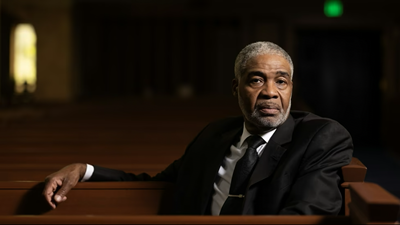
The morning after Louisiana’s House primaries were scheduled to take place, worshippers at Mount Zion First Baptist Church in Baton Rouge were on their feet, swaying to the gospel music that vibrated through the wooden pews. Just days earlier, the vote had been abruptly postponed as Republicans scrambled to redraw congressional boundaries in a way that would erase one of the state’s two majority-Black congressional districts and dilute the political influence that many in the congregation had fought for. From the pulpit, Reverend Renè Brown said that all of this was on his mind. “The pastor,” he declared after reading a passage from the Book of Numbers about the allotment of land, “wants to talk about biblical redistricting.” Read more
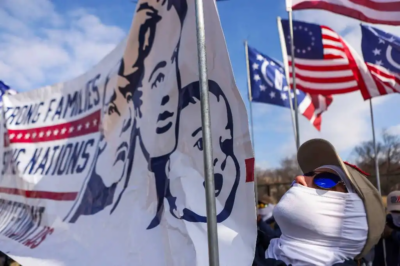 Exclusive leaked documents expose growing White supremacist group. By Will Carless / USA Today
One of the nation’s largest White supremacist groups is rapidly expanding, adding hundreds of members across 49 states in the past two years. Internal documents leaked to USA TODAY show a coordinated recruitment push fueled by step-by-step manuals and a network of fight clubs where members meet and sign up new recruits.
The files, provided by a source inside Patriot Front, offer a rare look at the group’s inner workings as it accelerates its growth. Known for its highly choreographed rallies – rows of identically dressed men in blue shirts, chinos and white face coverings carrying American flags – the group has used disciplined optics to amplify its reach and visibility nationwide. Read more
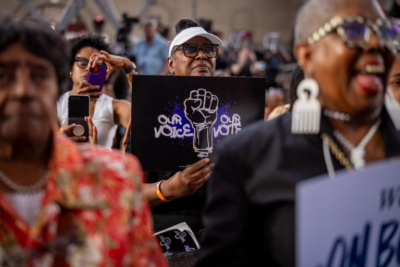 What a New Poll Reveals About Black Women in Mississippi and America’s Future. By Aallyah Wright / Capital B
With voting rights and more under attack, respondents signal they’re ready to make their voices heard.
With the attack on Black economic and political power, Black women have been hit the hardest, disproportionately suffering from the largest employment losses in 2025 compared to Black men and women of other racial backgrounds. A newly released poll of 701 Black women voters in Mississippi answers that question, focusing on their perspectives on broken systems, what it takes to fix them, and the importance of a holistic approach to address their concerns. This data set also explores the nuance of culture and how Black women define success and joy. Read more
Related: New Data Shows Why Wealth Feels Different for Black Americans. By Shellie M. Scott / The Root
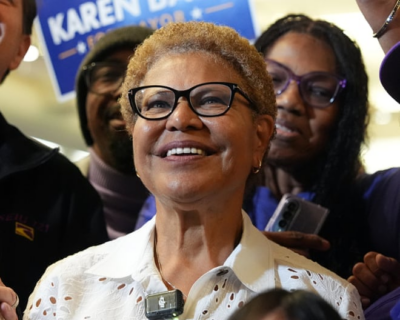 Karen Bass heads to LA mayoral runoff after falling short of majority. By Uwa Ede-Osifo / The Guardian
Los Angeles’s high-profile mayoral contest remained unsettled on Wednesday evening as the city waited to learn who will join incumbent Karen Bass in November’s general election.
Bass came out ahead in Tuesday’s heated primary but, after securing less than 50% of the vote, she will have to defend her seat against either Spencer Pratt, a former reality TV star, or progressive city council member Nithya Raman. As of Wednesday evening, with more than 60% of votes counted, Pratt had secured just under 30% of the vote, while Raman had won nearly 23%. Read more
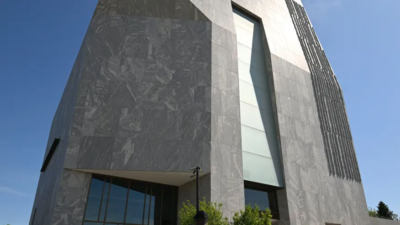 With His New Museum, Obama Offers a Trip to a Parallel America. Peter Baker / NYT
The presidential center that opens this month seems out of step with the zeitgeist of the moment and produces emotional reactions among the discontented of the Trump era.
It would be hard to visit the Obama Presidential Center, which has risen on Chicago’s South Side, and not come away thinking that there really are separate Americas. It is a trip to a parallel universe, one suffused in earnest talk of hope and change, not dark warnings about American carnage, one marching toward a multiracial, progressive future rather than dismantling a suffocating woke tyranny. Read more
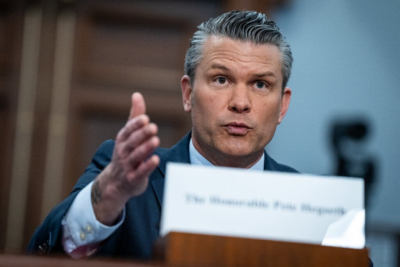 Hegseth Strikes Female and Black Navy Officers From Promotion List. Greg Jaffe and Kate Kelly / NYT
The defense secretary’s decision to block the officers’ promotions appears driven by his anti-diversity stance rather than based on merit.
In a move that disproportionately targets women and minority officers, Defense Secretary Pete Hegseth recently blocked the promotions of nine Navy officers who had been selected by a board of senior Navy admirals.The net result of Mr. Hegseth’s intervention is a slate of 22 nominees to be one-star admirals that bears little resemblance to the broader force these officers will help lead. Three of the officers removed by Mr. Hegseth from the promotion list are women and two are Black men. An additional four are white men. Read more
 Why are white-Black marriage rates so low? By Liz Mineo / The Harvard Gazette
Americans rarely marry outside of their race or class in a nation where residential segregation is relatively common. It is a dynamic widely viewed as a contributing factor to income inequality and intergenerational social mobility.
A new National Bureau of Economic Research working paper examines whether increased exposure to members of other race and class groups affects marriage rates between Black and white partners, based on an analysis of Census data and federal tax records. The overall rate has grown slowly over the years and currently stands at only 11 percent of intermarried couples. Read more
Education
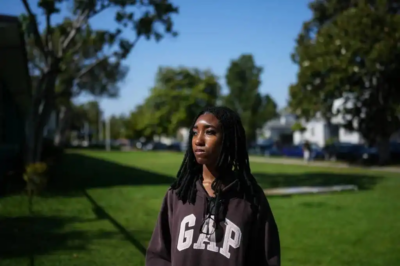 Trump’s civil rights shake-up sparks fury as Black student programs come under fire. By Annie Ma / Independent
Under the Trump administration, efforts to address deep-rooted inequities for students of color are being cast as discriminatory against white students.
Efforts once aimed at promoting equal opportunity and holding schools accountable for racial bias are now being reinterpreted, with programs designed to address deep-rooted inequities for students of color increasingly cast as discriminatory against white students. This change has led to programs, long considered legally sound, being swiftly labeled “illegal DEI” (diversity, equity and inclusion) by the White House. Schools that do not comply face threats to their funding, and some have already lost federal grants. Civil rights attorneys describe these actions as a complete inversion of legal history. Read more
 The Conservative ‘plan’ to Dismantle Public Schools is Entering the Home Stretch. By Jeff Bryant / ZNetwork
In what is being touted as the “Golden Age of School Choice,” the option that is most popular with American families—to fund and attend their local public schools—is gradually being made less viable.
Take North Carolina, for instance. For years, the Republican-dominated state legislature has chosen to cut the state’s funding for public schools, resulting in a decline in inflation-adjusted per-student funding of about 13 percent since 2003, according to the NC Budget and Tax Center. Read more
 What happened when one university set out to purge ‘woke’ classes. By Laura Meckler / Wash Post
The University of Florida and other red-state schools are fostering a conservative vision for the humanities to compete against courses with more diverse perspectives.
Students in both classrooms were considering historic events. In Introduction to Sociology, the discussion was about globalization. Three buildings over, a Civil Discourse class was debating 1798 America and the federal government’s battle with the states forsupremacy. Both courses fall within the broad field of study known as the humanities. But at the University of Florida, the class on early America is part of a growing and well-funded effort to counter what the state considers“woke” liberal indoctrination, while the sociology class is considered a prime example of the problem. Read more
Related: Inside One University’s Chaotic Attempt to Police Its Curriculum. Gavin Escott / The Chronicle of Higher Ed.
Related: Tennessee’s attempt to whitewash “Roots” was stopped — for now. By Chauncey Devega / Salon
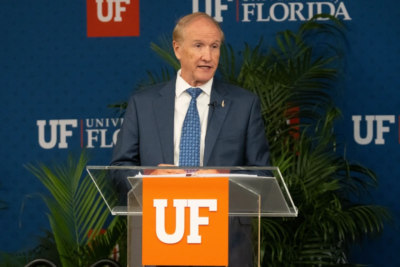 The Test for Leading a Red-State Flagship: Deny Your DEI Darlings. By Jasper Smith / The Chronicle of Higher Ed
In his first visit to the University of Florida as the sole finalist for its presidency, Stuart Bell again distanced himself from his past support of DEI, and said his focus as president would be predicated on “merit.”
The third question of the day asked Bell to confront the topic head-on. “Let me start by being crystal clear: I have not come to Florida to bring DEI or any form of woke back. Period,” Bell said to a room of a couple dozen students, taking a dramatic pause to look back from the podium toward Rahul Patel, the vice chair of the Board of Trustees and chair of the presidential search committee. “I have come to build on Florida’s commitment to merit, excellence, academic achievement, equal opportunity, and what I call hard work.” Read more
World
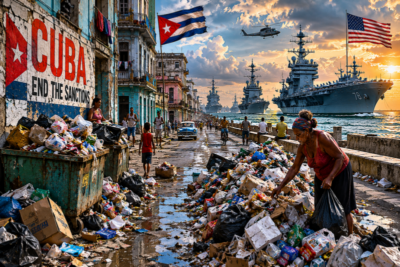 Why Should African Americans Care About Cuba? By Ronald J. Sheehy, Editor / On Race in America
Cuba is often discussed in the United States as a Cold War relic, a communist adversary, or a foreign policy problem.
For African Americans, however, Cuba should be viewed through a different lens. The island’s history of slavery, racial hierarchy, cultural resilience, and political struggle parallels our own in important ways. Today, as Cuba faces a worsening humanitarian crisis, those shared experiences offer compelling reasons for concern, solidarity, and action.
Read complete essay. Why Should African Americans Care About Cuba?
Related: The Crisis We Are Causing in Cuba. By Jeffrey K. McCrary / The Progressive
Related: A garbage crisis engulfs Havana as fuel shortages stall trash pickup. By Andrea Rodriguez / AP
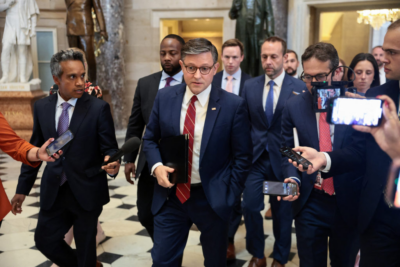 House passes resolution for first time to halt military action against Iran in rebuke of Trump. By PBS News
The House approved a war powers resolution that would halt the U.S. military action against Iran, defying the president as a handful of Republicans joined with Democrats to end the three-month-long war that has reordered politics at home and abroad.
House Speaker Mike Johnson had tried to prevent an outcome that would show the mounting opposition to the war, abruptly shutting down floor action two weeks ago when the war powers resolution was on the verge of approval. Read more
 Health workers struggle to contain Ebola outbreak. By Chris Ocamringa, Geoff Bennett and Zeba Warsi / PBS
Today, the World Health Organization said the fight against Ebola in the Democratic Republic of the Congo is — quote — “catching up with the spread of the virus.”
But health officials warn the crisis is far from over. More than 340 cases have been confirmed and the outbreak has crossed into neighboring Uganda, worsening the challenge of containing the deadly disease in a region already riddled with conflict, displacement and strained health care systems. Read more
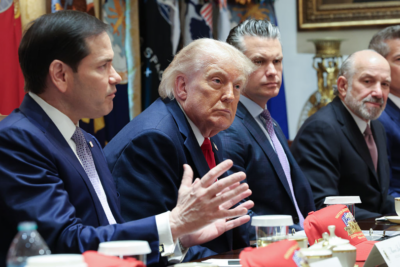 US Boat Bombing Campaign Surpasses 200 Deaths After Latest Strike. By Brett Wilkins / Truthout
Human rights advocates say US strikes on suspected drug boats are unlawful killings.
The U.S. military on Friday bombed another boat it claimed was smuggling drugs in the eastern Pacific Ocean, killing three more people in what experts say is an illegal campaign whose death toll has now topped 200. U.S. Southern Command said in a statement that “Joint Task Force Southern Spear,” the nine-month campaign ordered by President Donald Trump, “conducted a lethal kinetic strike on a vessel operated by Designated Terrorist Organizations.” Read more
Related: America’s secret civilian killings echo one of its darkest chapters. By Heather Digby Parton / Salon
Ethics / Morality Religion
 Church founded by freed slaves 150 years ago holds final service in historic building. By Leonardo Blair /
Mount Gilead Baptist Church, a congregation founded by freed slaves 150 years ago in Fort Worth, Texas, held its final service on Sunday in a historic building they have worshipped in since 1912, citing mounting maintenance costs and dwindling membership.
LoopNet, the leading online marketplace for commercial real estate, currently lists the 600-seat building at 600 Grove Street as under contract for $2.5 million. The sale comes after members voted 19-4 to sell the building last summer. Read more
 How Black Churches Are Raising Dementia Awarenes. Dana G. Smith / NYT
Roughly one in five Black Americans 65 and older has Alzheimer’s, compared with one in 10 white Americans. But it can take Black patients significantly longer to obtain a diagnosis, which limits treatment options and places an additional burden on caregivers.
Experts have identified several factors that contribute to these bleak statistics, including stigma and a lack of awareness about dementia in the Black community. There is also general distrust of the scientific and medical establishment, fueled by ongoing discrimination. Repeated exposure to life stressors like trauma and discrimination can cause systemic inflammation, which is associated with numerous health consequences, including dementia. Research has also shown that experiencing racism is associated with cognitive decline. Read more
Related: Are Black Church Choirs Dying? The Rise of Praise Teams Explained. By Asheea Smith / The Root
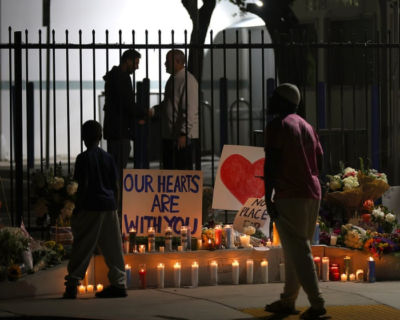 Anti-Muslim hate and antisemitism are twin crises. We must confront them together.
The two hatreds have rarely been seen as related dangers. But they overlap even as Muslim and Jewish communities are pitted against each other. ‘The violence in San Diego came out of the demonization of Islam and the dehumanization of Muslims that has been around for decades.’
Over the past three years, against the backdrop of wars in the Middle East, antisemitism and anti-Muslim hate have flared across the west, with each rising to record levels. But these two hatreds have rarely been seen as related dangers, let alone confronted as a common threat to societies. Read more
Historical / Cultural
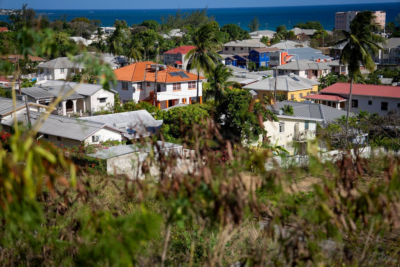 To Understand the American Revolution, I Went to Barbados.
It’s where the British perfected their system of enslaved labor, George Washington visited and colonialism’s legacy can still be felt. And, as a writer found on this small island, freedom is still cause for celebration.
Here, then, is one connection to the future United States. The 13 North American colonies were not isolated, but were part of a vast network of exploitation. Though Barbados is only 20 miles long by 14 wide, in the 17th century its sugar plantations generated more wealth than most of the mainland colonies to the north. It was here that the English perfected their system of enslaved labor, which would become the template for plantation societies elsewhere. Read more
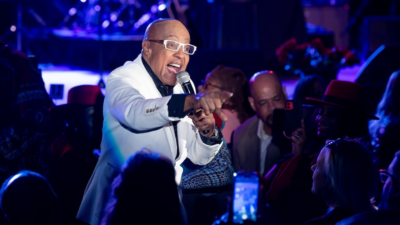 Peabo Bryson, singer behind ‘Beauty and the Beast’ and more dies at 75. By Angeline Jane Bernabe / ABC News
The Grammy Award winner, known for his hit songs and duets, including “Beauty and the Beast,” “A Whole New World” and several R&B classics, died on Tuesday, according to a statement from his family.
For more than five decades, Bryson was the voice behind some of the most iconic soul ballads and timeless R&B classics, from “Feel the Fire,” “I’m So Into You,” “Can You Stop the Rain,” “If Ever You’re in My Arms Again,” “Reaching for the Sky” and many more. Read more
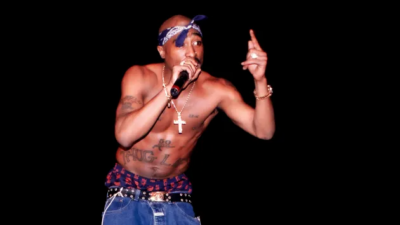 The Revolutionary Roots That Inspired Tupac Shakur. By Reveal / Mother Jones
Author Jeff Pearlman explains his obsession with the legendary hip-hop artist and why he set out to write a definitive biography.
It’s impossible to overstate rapper Tupac Shakur’s influence on music and culture in the 1990s. One of the era’s bestselling musical artists, Tupac helped define West Coast hip-hop through vulnerable, introspective lyrics and Black power politics. His death in 1996 at just 25 years old sparked conspiracy theories for decades and left his fans wondering what might’ve been. Read more
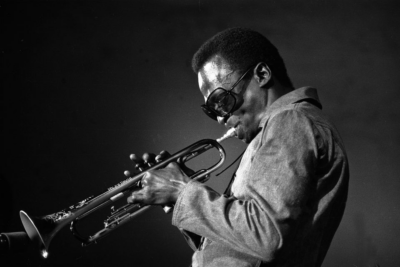 How I’m Wrestling With Miles Davis’s Complicated Legacy as Artist—and Abuser. By Jimmy Briggs / Vanity Fair
In honor of the centennial of Davis’s birth, one writer reflects on the late artist’s enduring impact and offers a musical road map through which to navigate his five-decade career.
In 1985, I couldn’t escape trumpeter Miles Davis. It seemed like he was everywhere. Raspy-voiced, hidden behind sunglasses, chewing gum, always intimidating. I first saw him in a commercial for Honda scooters as part of a multiyear campaign that included Grace Jones, Lou Reed, and Devo. In his spot, Davis is leaning against a scooter wearing a full-length leather jacket and baggy pants and holding a trumpet. His one line speaks multitudes: “I’ll play first, and I’ll tell you about it later—maybe.” Read more
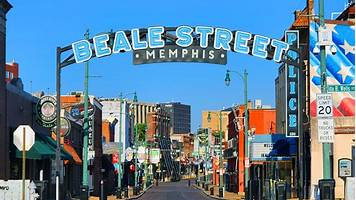 Memphis defined American music. How did it miss out on the money? By Chris Jennings / USA Today
You can’t tell the story of American music without the blues, which means you can’t tell it without Memphis. From Beale Street’s blues bars to the Stax Museum of American Soul Music to Graceland – the city’s influence on nearly every genre of music is immense.
But for a city that helped shape the sound of America — why hasn’t it fully shared in the wealth it created? USA TODAY National Correspondent Chris Kenning joins The Excerpt to discuss efforts to revitalize the modern Memphis music scene, its rich music history and how the story of music in Memphis is being written today. Watch here
Sports
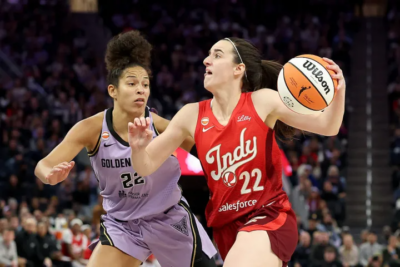 The Unraveling: How Reality Caught Up With The Cult Of Caitlin Clark. By Nicky Childers / Newsone
Caitlin Clark’s public unmasking leaves the WNBA in a slow-motion Milli Vanilli moment, exposing the unearned currency of its manufactured basketball star.
For seven years, spanning her college career and into the WNBA, Caitlin Clark has been the subject of a carefully constructed mythos framing her as the greatest women’s basketball player of all time without giving her a chance to earn it. What Black women have recognized in her from the very beginning is something we encounter with glaring regularity: white mediocrity moving through spaces built by Black excellence, receiving advancement and protection as a right for just existing, rather than something that is earned through excellent performance. Read more
 Serena Williams is back and still as relevant as ever — on and off the tennis court. By Ken Makin / Andscape
Much has changed for Black women players during the years since she stepped away from the game, yet much has remained the same
Serena Williams’ announcement Monday that she would return to professional tennis nearly four years after her last match felt Jordan-esque. The Women’s Tennis Association’s website displayed a graphic that included only three words: “Serena is back.” Read more
 Don’t underestimate young athletes — the NAACP boycott plan could actually work. By Michael Silver / The Athletic
In response to the recent assault on Black voting rights in the Deep South, the NAACP has called for athletes, fans and alums to boycott public flagship universities in eight states. After a Supreme Court decision that weakened the Voting Rights Act, lawmakers in many of these states rushed to carve up majority-Black districts that had previously been protected, leading to the NAACP’s bold request.
The NAACP is on the right track, but it’s doing too much. Targeting one flagship school in one state whose lawmakers have diluted Black representation — and crafting a compelling narrative about the injustice — would be a far more manageable quest. And convincing some accomplished performers to transfer, and some high-profile recruits to decommit, could spark seismic change. Read more
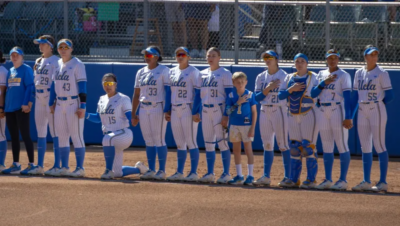 Softball is still a mostly white sport. UCLA standout Jordan Woolery wants to inspire change on and off the field. By Cliff Brunt / Andscape
‘I became the person I wanted to see’: Representation is a priority for the Bruins star, who kneels during the national anthem
Her reasoning goes back to her high school days. She was a dominant prep player at Clayton Valley Charter High School in Concord, California, and a national champion and All-American for her Athletics Mercado travel team. Off the field, she was an officer for the Black Student Union at the predominantly white high school. Read more
Site Information
On Race in America is published every Saturday. Some articles may be AI-assisted.
Articles appearing in On Race in America are archived on our Archive Page in the drop down menu. A collection of Books, Podcasts, and Video Favorites can also be found there.
On each page you can register your email to receive notifications of new editions of On Race in America
Click here for earlier Editions.
The site is fully searchable by name or topic—see the Search option at the top of the page.
At the bottom of each Blog page, you’ll find custom share buttons that let you email the Blog or post it directly to your Facebook, LinkedIn, or X (formerly Twitter) accounts.